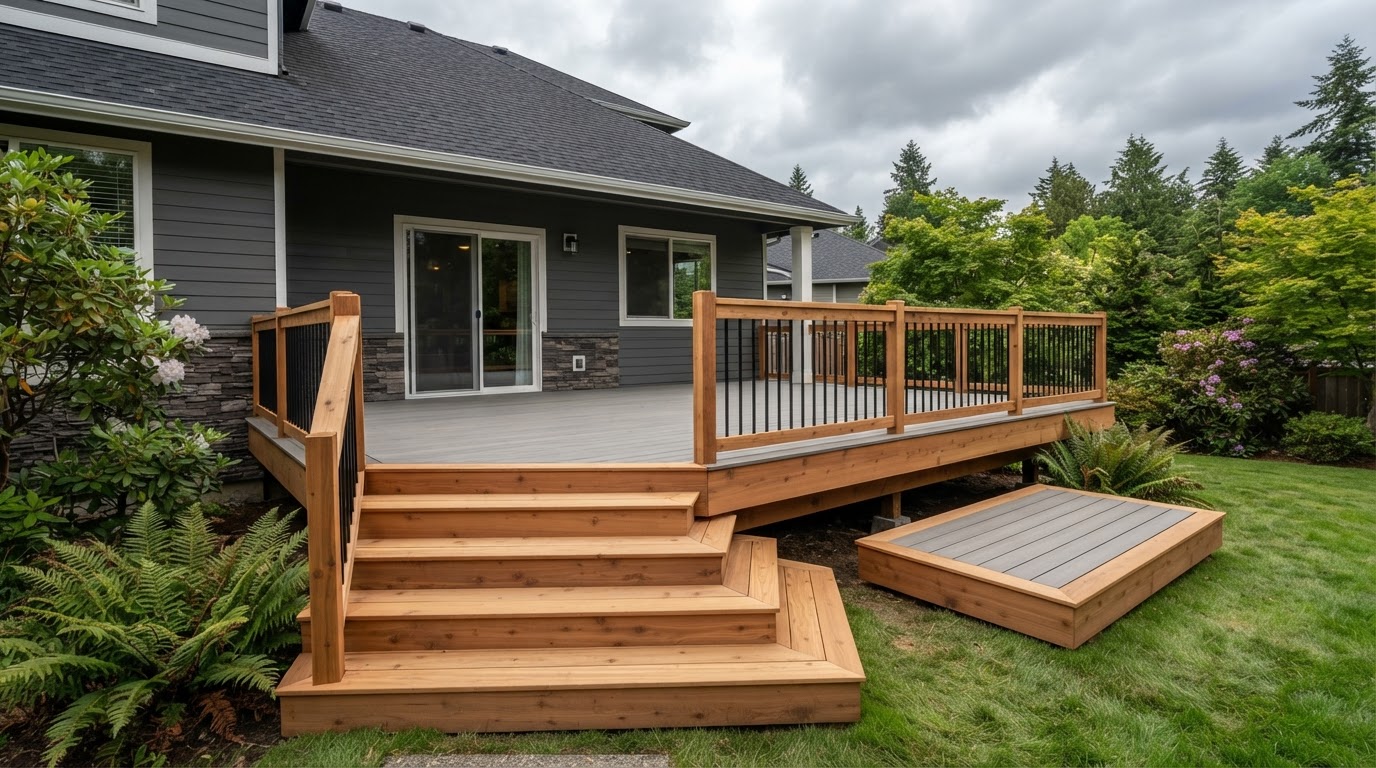
Deck Construction in Lake Stevens, WA
Engineered for Northwest rain and moisture. We build durable composite (Trex, TimberTech) and clear cedar decks with proper ledger flashing, joist protection tape, and concealed fasteners.
Deck Construction Built for Lake Stevens Homes
A deck in Western Washington faces nine months of rain, freeze-thaw cycles, and constant moisture. Light Rock builds decks engineered to shed water and resist rot for decades—whether you want a low-maintenance composite surface or the warmth of clear Western Red Cedar.
We treat every deck as a structural build, not just a surface. That means code-compliant ledger flashing so water never rots the house framing, joist butyl tape over the top edges to stop the moisture collection that destroys most decks, and proper beam-to-post connections rated for snow and wind loads. The finish—concealed fasteners, picture-framed borders, and integrated railing—is the last thing we install, after the structure is proven solid.
What's Included
- Ledger board code-compliant flashing and moisture barrier
- Joist butyl tape to protect framing from water collection
- Trex, TimberTech, and genuine Western Red Cedar options
- Custom cable rail, glass panel, or cedar baluster systems
- Concealed fastener systems for a clean, splinter-free surface
- Picture-framed borders and integrated stair lighting
Our Deck Construction Process
Deck Building in Lake Stevens: Materials That Survive Washington Winters
A deck in Lake Stevens sits outside in nine months of rain, morning fog off the lake, and the occasional wet snow load. The surface you choose matters, but the framing underneath matters more. Most decks in Snohomish County don't fail because the boards rotted—they fail because water collected on top of the joists and rotted the framing from the bottom up.
We build every Lake Stevens deck with joist butyl tape sealing the top edges of the framing, code-compliant ledger flashing so moisture never wicks into the house wall, and footings dug below frost depth. Composite surfaces (Trex, TimberTech) give you a no-stain, splinter-free floor; clear Western Red Cedar stays cooler underfoot and ages to a soft silver if you let it. Either way, the structure beneath is built to shed water for decades, not seasons.
Permits, Setbacks, and Lake Stevens Deck Code
In Lake Stevens and across Snohomish County, a deck attached to the house, more than 30 inches above grade, or larger than 200 square feet requires a building permit and inspections. Decks near a property line or a critical-area setback may also need planning review, which is common for homes close to Lake Stevens shoreline zones.
We pull the permits, submit the drawings, and schedule the footing and framing inspections for you. Building without a permit saves nothing—it just creates a failed inspection, a red tag, and a disclosure problem when you sell. A code-compliant, permitted deck protects your home's value and your liability if someone is ever injured on it.
Maintaining Your Deck Through Pacific Northwest Seasons
Even a well-built deck needs seasonal attention in Washington. Composite decks get a gentle wash and a check of the fasteners each spring. Cedar decks need a cleaning and a fresh coat of stain every three to five years to keep the wood from checking and greying unevenly.
The single biggest maintenance task is keeping the gaps between boards clear so water and debris don't dam up and trap moisture against the surface. We show you exactly what to watch for at handoff—ledger flashing, joist tape edges, and railing post bases—so you can catch a small issue before it becomes a structural repair. A deck built right and maintained lightly will outlast the house around it.
Deck Construction FAQs
Other Construction Services
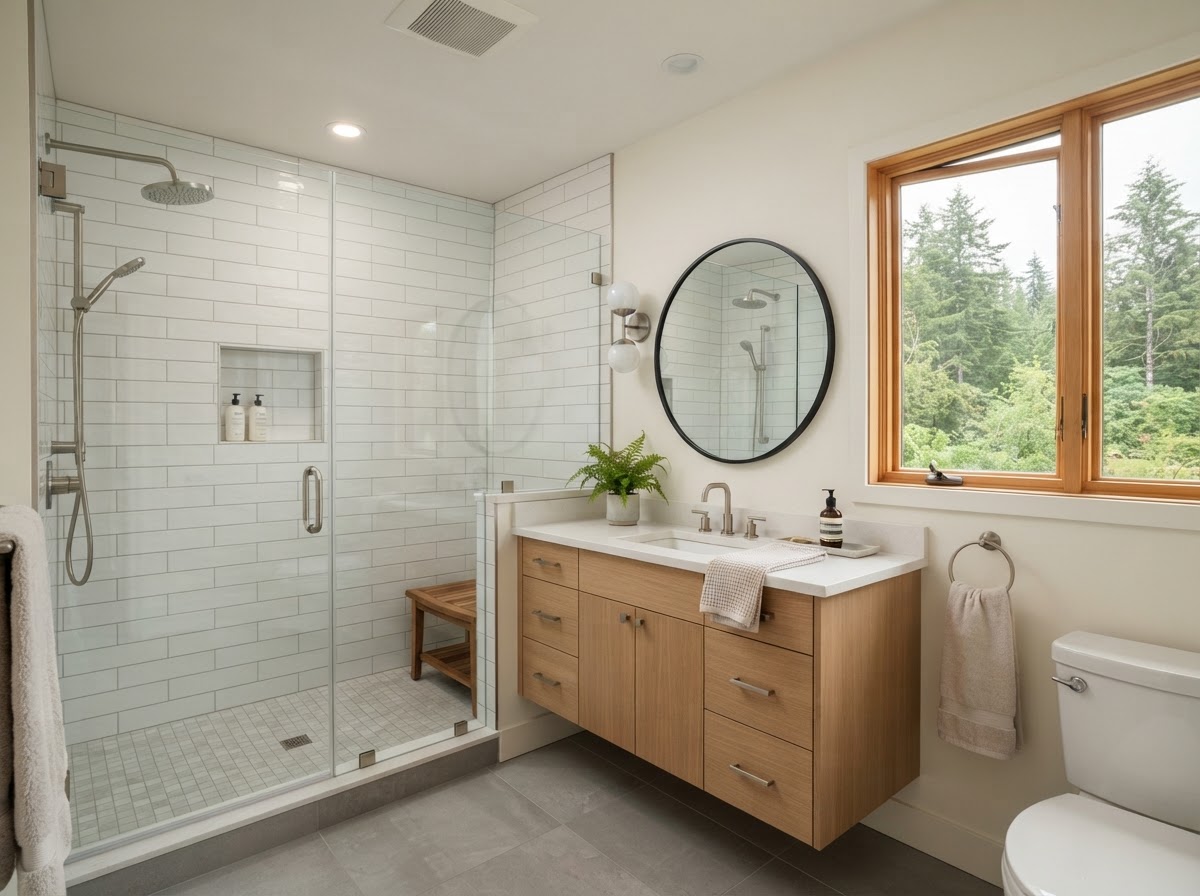
Bathroom Remodeling
Full bathroom renovations from structural subfloor leveling to high-end finish work. We handle plumbing relocation, vanities, heated flooring, and moisture-resistant drywall.
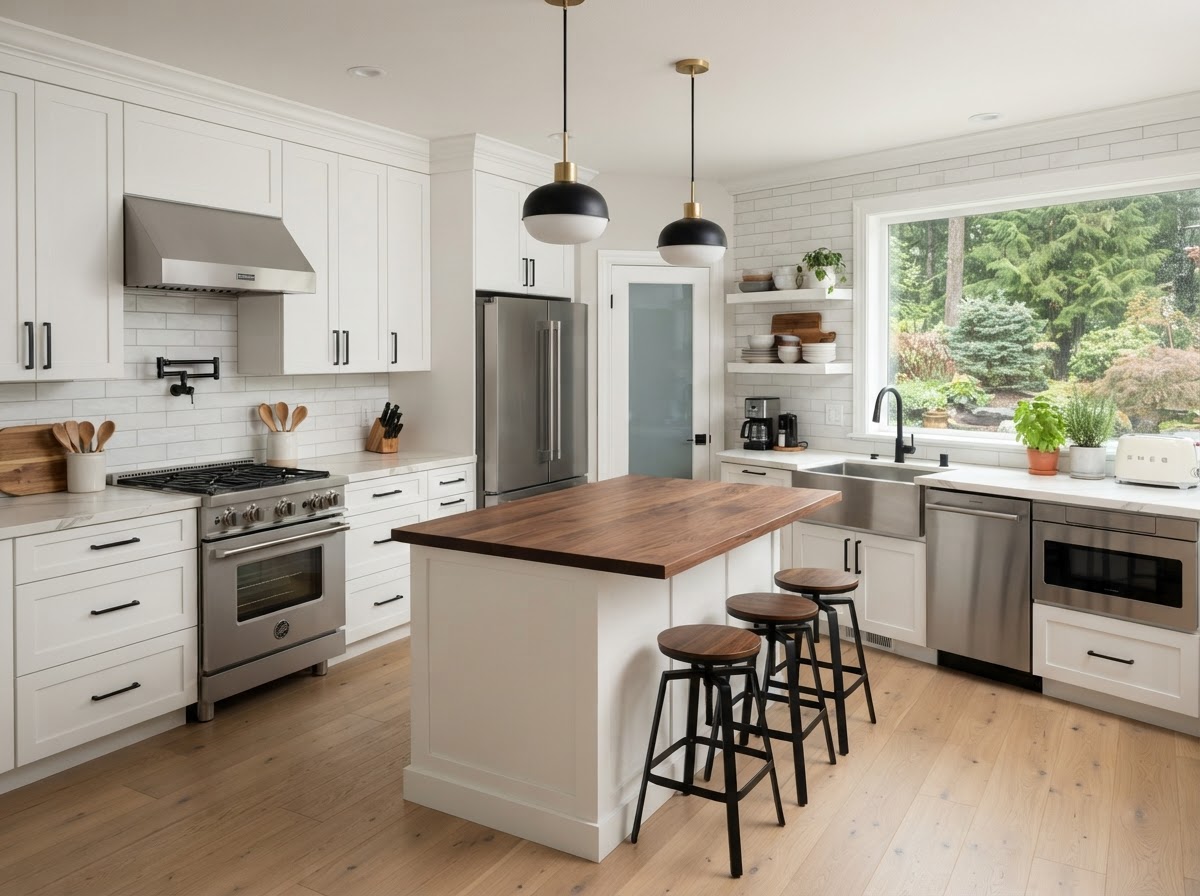
Kitchen Remodeling
Full kitchen updates from structural wall removal to custom cabinet installation, quartz countertops, and durable flooring.
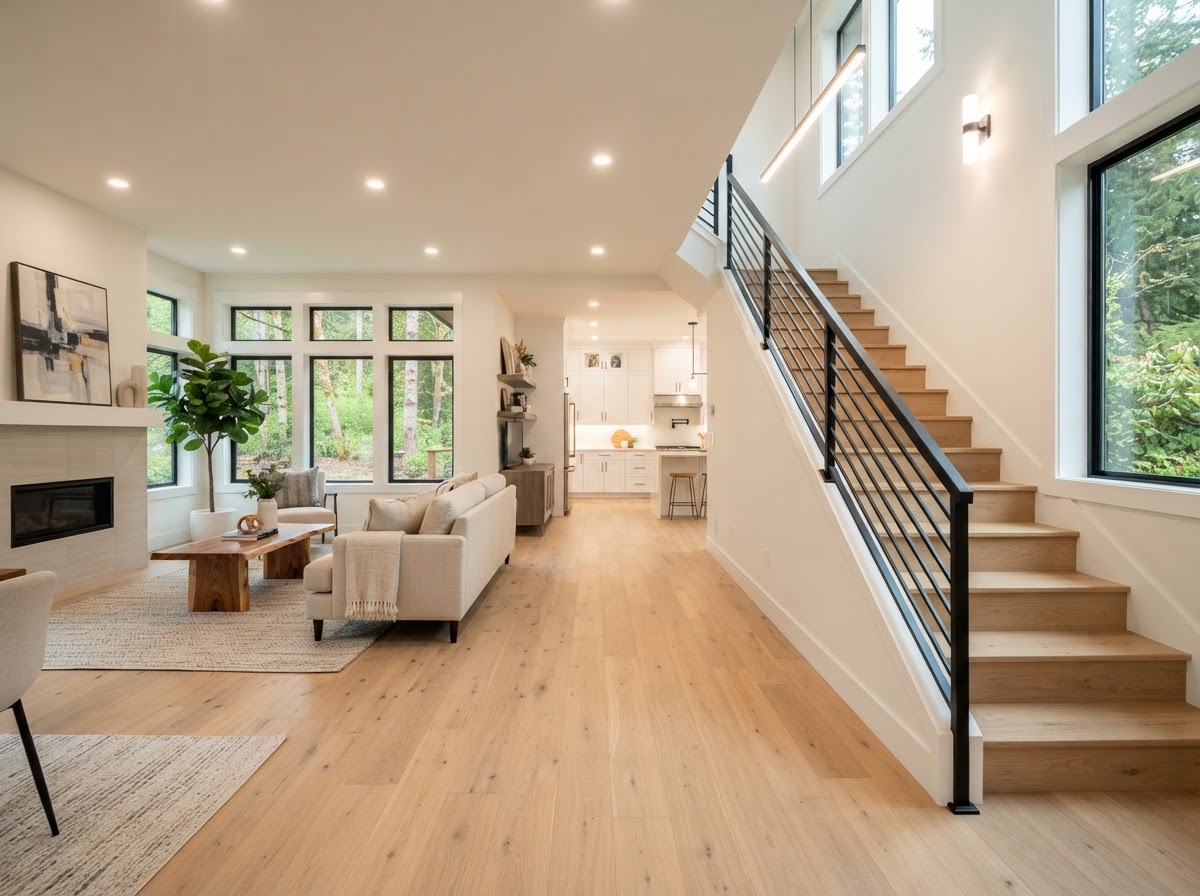
Interior Remodeling
Whole-home updates coordinating framing, drywall, trim, flooring, and finishes so one accountable Lake Stevens crew owns the full scope.